
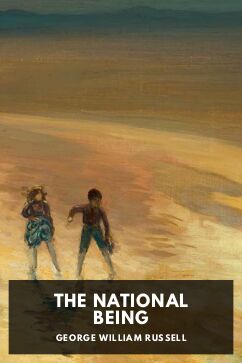
The National Being - George William Russell
So, what's The National Being actually about? It's not a novel with a plot. Think of it as a long, passionate essay, a vision poured onto paper. George William Russell (who often wrote under the name Æ) was a poet, painter, and a key figure in the Irish literary revival. In 1916, with Ireland in upheaval, he sat down to answer a big question: what should a free Ireland look like?
The Story
There's no traditional story here. Instead, Russell builds an argument, layer by layer. He starts by saying that political independence is just the first step. The real work is creating the nation's character—its 'being.' He gets very practical, arguing that this new character must be rooted in how people live and work. He sketches out ideas for agricultural cooperatives, where farmers band together to control prices. He imagines industries owned by the people who work in them. He talks about reviving rural life and building a culture that values spirit and creativity over pure profit. It's a full-on alternative to the industrial capitalism of his day, all framed through his unique, mystical lens.
Why You Should Read It
Here's why this old book grabbed me: it's raw idealism. You can feel the urgency. This wasn't abstract; it was a plan for a country being born. Russell's voice is unique—part economist, part prophet. He makes you see that economics isn't just about numbers; it's about morals, community, and human dignity. Some of his ideas feel surprisingly modern, touching on localism, sustainability, and workers' rights long before they were mainstream talking points. Yes, some parts are dated, and his mystical digressions won't be for everyone, but the core question—how do we build a society that's fair and fosters the human spirit?—is timeless.
Final Verdict
This book is a niche pick, but a rewarding one. It's perfect for history buffs who want to understand the intellectual ferment of early 20th-century Ireland beyond the bullets and speeches. It's also great for anyone interested in political philosophy or alternative economics who enjoys seeing ideas in their historical context. If you love clear, linear arguments, you might find Russell's poetic leaps frustrating. But if you're up for a challenging, thought-provoking, and deeply sincere vision of a better world from a pivotal moment in history, The National Being is a fascinating time capsule and a spark for the imagination.
This text is dedicated to the public domain. Knowledge should be free and accessible.
Sandra Perez
3 weeks agoFast paced, good book.
Dorothy Walker
8 months agoLoved it.
Sarah Thomas
1 year agoIf you enjoy this genre, the clarity of the writing makes this accessible. Truly inspiring.
Kenneth Davis
1 year agoThanks for the recommendation.
Mark Brown
1 year agoAmazing book.