
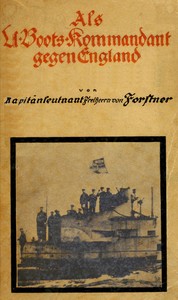
Als U-Boots-Kommandant gegen England by Freiherr von Georg-Günther Forstner
The Story
This book is Forstner's own account of his time as a U-boat commander in the Imperial German Navy from 1914 to 1918. It follows his journey from taking command of U-28 to his later patrols. The narrative is built around his war diary entries, so it feels immediate and personal. He describes the daily grind of life underwater: the boredom of long patrols, the sudden adrenaline of spotting a target, and the terrifying chaos of an attack.
The core of the story is the cat-and-mouse game against the British Royal Navy. Forstner details hunting merchant ships and engaging warships, all while evading the ever-present threat of destroyers and Q-ships (armed decoy vessels). The book doesn't shy away from the grim reality of his mission—sinking ships meant drowning men. You see the war from a very specific, confined viewpoint: through the periscope of a submarine.
Why You Should Read It
First off, it's a primary source. You're not getting a historian's analysis a century later; you're getting the commander's thoughts, often written shortly after the events. This creates an incredible sense of authenticity. Forstner comes across as a competent, thoughtful officer, deeply concerned for his crew. You see his pride in their skill and his anguish over their losses.
What struck me most was the psychological weight. The book makes you feel the immense responsibility of command and the isolation of being cut off from the world. One moment he's calculating torpedo angles, the next he's listening to the screws of a destroyer passing overhead, wondering if this is the end. It transforms submarines from historical artifacts into lived experiences.
Final Verdict
This book is perfect for anyone interested in naval history, World War I, or military leadership. It's especially gripping if you enjoy first-person narratives that drop you right into the action. It's not a light read—the subject matter is intense—but it's a compelling one. You won't find broad political context here; you'll find the view from the control room. If you've ever wanted to sit in a U-boat captain's seat and understand the war from that unique, claustrophobic perspective, Forstner's diary is an essential and unforgettable journey.
The copyright for this book has expired, making it public property. It serves as a testament to our shared literary heritage.
Donald Anderson
1 year agoI stumbled upon this title and the clarity of the writing makes this accessible. Definitely a 5-star read.










Michael Flores
1 year agoBeautifully written.