
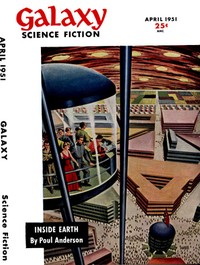
The Marching Morons by C. M. Kornbluth
First published in 1951, 'The Marching Morons' is a science fiction story that packs a mean punch in just a few pages. It’s the kind of tale that sticks with you, popping into your head at the most inconvenient times.
The Story
John Barlow, a 20th-century con artist, is accidentally revived from suspended animation in a far-future world. He quickly discovers a nightmare dressed up as utopia. Over centuries, intelligent people had fewer children, while the less intelligent had large families. The result? A planet of 5 billion 'morons'—simple, happy, and incapable of complex thought—governed by a tiny, exhausted cadre of geniuses. These elites are desperate, barely keeping the lights on and preventing mass disasters. Barlow, with his sharp understanding of human gullibility, doesn't see a problem. He sees a market. He proposes a brutally 'final' sales solution to the overpopulation of idiots, shocking the intellectuals who brought him back.
Why You Should Read It
This isn't a feel-good story. Kornbluth writes with a kind of angry, cynical wit that's bracing. The geniuses aren't heroes; they're trapped administrators. The morons aren't evil; they're just oblivious. The real chilling character is Barlow, who applies cold, amoral business logic to genocide. The story forces you to ask ugly questions about intelligence, responsibility, and what we value as a society. It’s a satire of eugenics, consumerism, and shortsightedness that, sadly, hasn’t lost its sting. Every time I read about a viral conspiracy theory or a pyramid scheme, I think of Barlow seeing dollar signs in human stupidity.
Final Verdict
This is a must-read for fans of dark, idea-driven science fiction like Shirley Jackson’s 'The Lottery' or the early works of Kurt Vonnegut. It’s perfect for anyone who enjoys a story that challenges you, makes you uncomfortable, and leaves you thinking long after you’ve finished the last page. If you prefer your sci-fi with neat, hopeful endings, look elsewhere. But if you want a brilliant, bitter, and frighteningly smart commentary on human nature that reads like it was written yesterday, track down this classic. It’s a compact masterpiece of the genre.
This historical work is free of copyright protections. Distribute this work to help spread literacy.
James Rodriguez
1 year agoBeautifully written.
Donna Hill
1 year agoFrom the very first page, it creates a vivid world that you simply do not want to leave. Worth every second.