
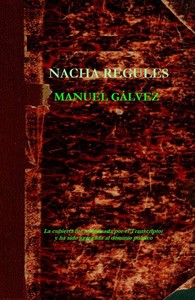
Nacha Regules: Novela by Manuel Gálvez
Manuel Gálvez's Nacha Regules is a novel that pulls no punches. Published in 1919, it takes us straight into the bustling, often brutal streets of Buenos Aires during a time of massive social change.
The Story
The plot follows Ignacia 'Nacha' Regules, a young woman who arrives in the capital full of hope. Life has other plans. After a series of betrayals, she finds herself forced into prostitution. The story isn't just about her fall, though. It's about what comes after. We see her struggle to survive in a world that profits from her misery, clinging to fragments of her former self. The narrative introduces us to a cast of characters from all walks of life—from the men who exploit her to the few who might offer a hand, like the idealistic law student, Monsalvat. The central tension isn't a whodunit; it's a 'can she?' Can she escape? Can she be saved, or even save herself, in a system designed to keep her down?
Why You Should Read It
I'll be honest, this isn't a feel-good book. But it's an important one. Gálvez writes with a journalist's eye for detail, making the Buenos Aires of the past feel immediate and raw. What gripped me wasn't just the social commentary, but Nacha herself. She's not a passive victim. She's angry, weary, and complex. You feel her humiliation and her stubborn pride. The book forces you to look at the human cost of societal hypocrisy and asks uncomfortable questions about pity, charity, and real justice. It’s a character study that stays with you long after the last page.
Final Verdict
This book is perfect for readers who love historical fiction that doesn't romanticize the past. If you enjoyed the social realism of authors like Theodore Dreiser or Émile Zola, you'll find a similar vibe here. It's also a great pick for anyone interested in Argentine history, feminism, or simply a powerful, character-driven story. Be prepared for a direct, sometimes bleak journey, but one that is incredibly human and unforgettable.
You are viewing a work that belongs to the global public domain. Use this text in your own projects freely.
Kimberly Martin
1 year agoWithout a doubt, the storytelling feels authentic and emotionally grounded. A valuable addition to my collection.







Jackson Nguyen
1 year agoI didn't expect much, but the author's voice is distinct and makes complex topics easy to digest. One of the best books I've read this year.